Hiring
How to Use Your Portfolio: From Application to Interview
Learn how to use your design portfolio across applications, recruiter screens, and portfolio walkthrough interviews.

Ömer Arı
5 min read
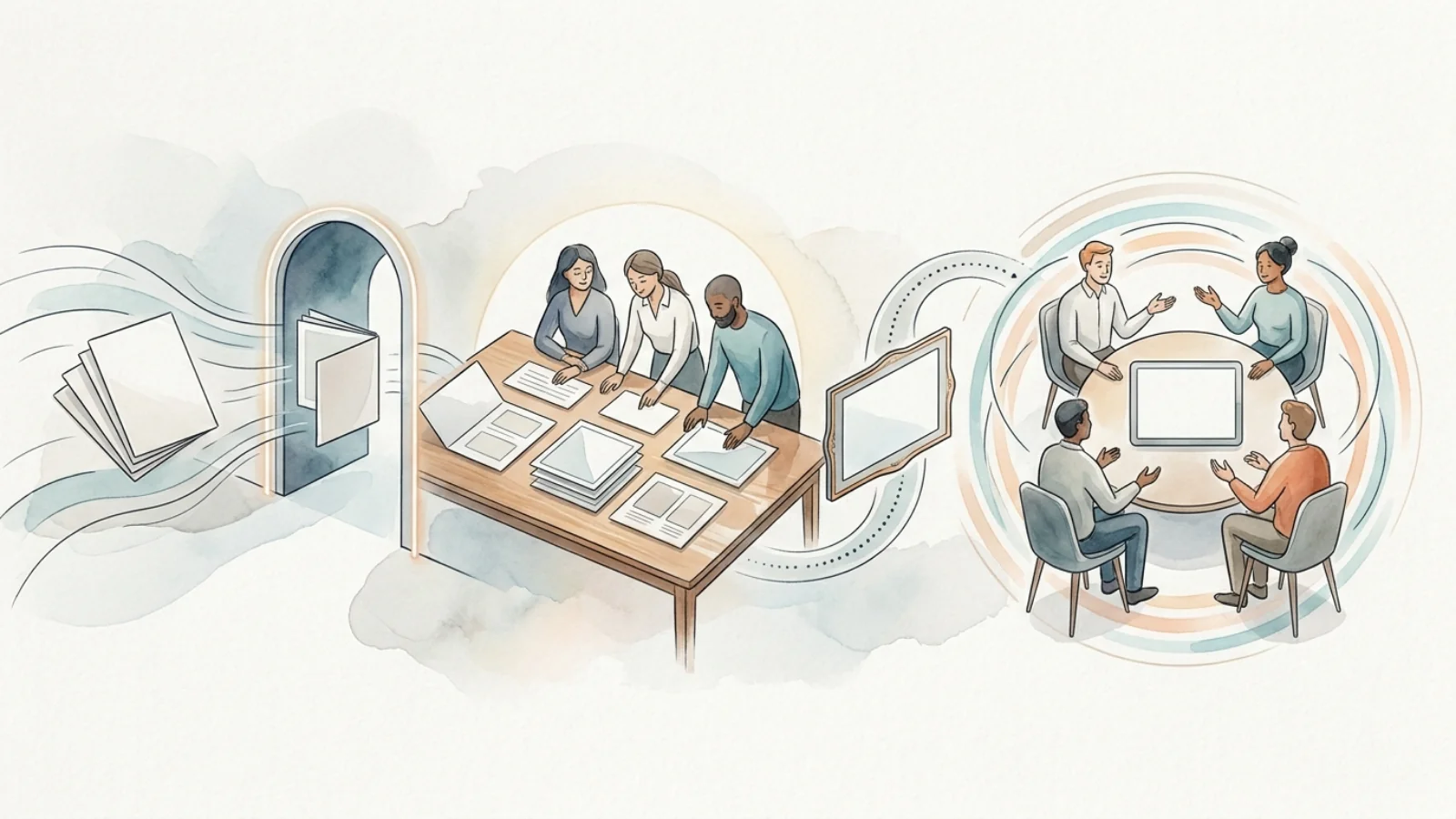
This article is for designers who already have a portfolio, yet do not know how to use it during the job process. You will learn how to tailor the link you send, prepare for portfolio walkthroughs, and turn your case studies into a practical interview tool instead of a static archive.
A portfolio is a tool, not a trophy
Many designers treat the portfolio as something they finish, publish, and then attach to applications. That creates a passive relationship with the work. The site exists, the link is sent, and the designer waits.
A stronger portfolio is used actively. It helps you decide which projects to show, what story to lead with, what to open during a call, and how to answer questions about your decisions. It should work before, during, and after an interview.
This matters because the same portfolio link can be used in different ways. A recruiter may scan your homepage for fit. A hiring manager may open one case study to understand your level. A design interviewer may ask you to walk through a project in real time. A teammate may look for collaboration style.
If you send the same link every time without context, you leave too much interpretation to the reader. You do not need a different portfolio for every company. You do need a clear way to direct attention.
Match the portfolio to the stage
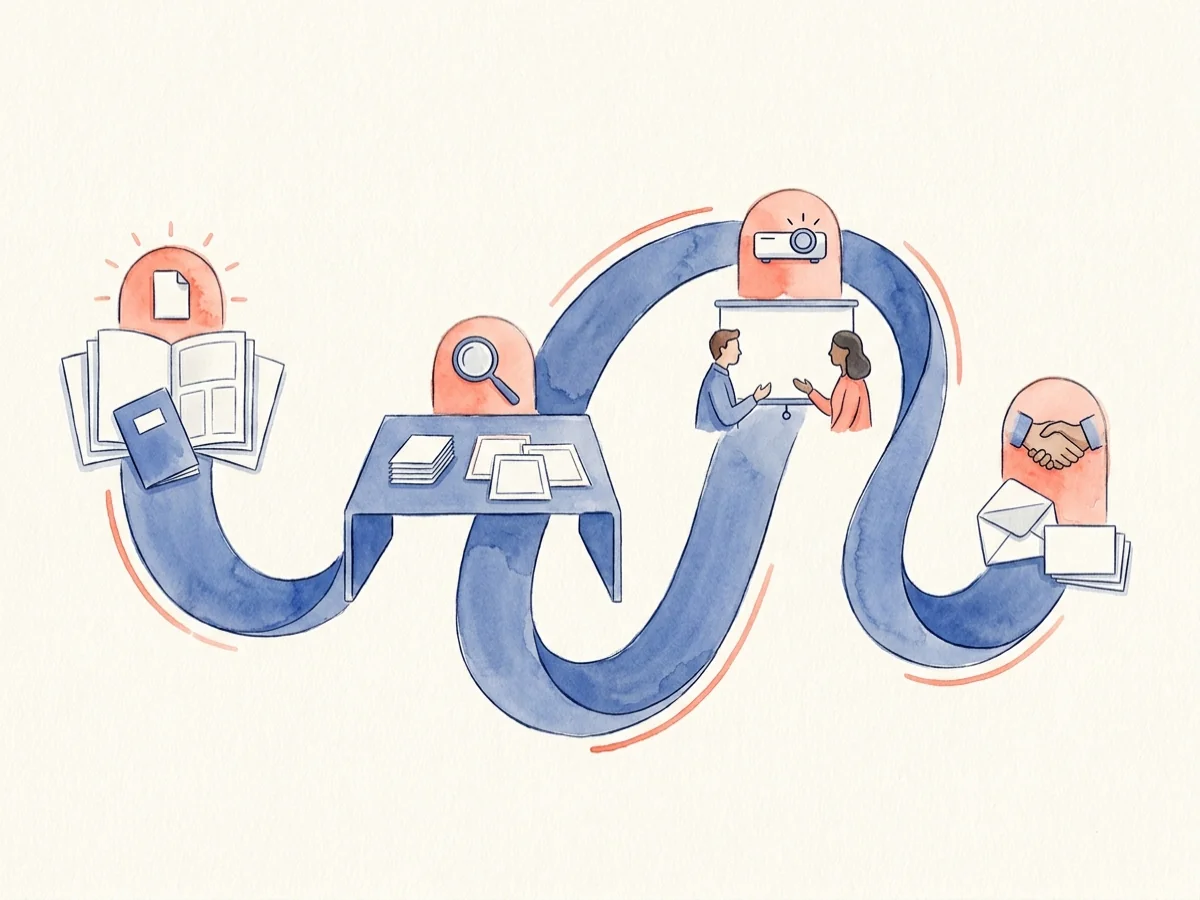
Think about your portfolio in three stages: application, screening, and interview.
Application stage. The goal is fast relevance. The person reading your application may only spend a short time deciding whether the work is worth a deeper look. Your homepage should make your role, project types, and strongest evidence obvious. The first two project cards matter most.
When applying, do not only paste your homepage link. Add one sentence that points to the most relevant project. For example:
“I included my portfolio below. The marketplace checkout case study is the closest match for this role because it covers flow simplification, edge cases, and payment-state decisions.”
That sentence helps the reader choose where to start.
Screening stage. A recruiter or first interviewer may ask general questions about your background. You may not present the full portfolio, yet you can use it to support your answers. Have one or two projects ready as examples for common questions: collaboration, ambiguity, conflict, research, product constraints, or visual craft.
Interview stage. The portfolio becomes a presentation aid. You should not read the case study from top to bottom. You should guide the interviewer through the parts that matter for that conversation. The page is there to show evidence, not to replace your explanation.
Prepare a walkthrough version of each main project. It can follow this structure:
- What was the product or situation?
- What problem did the team need to solve?
- What was your role?
- What constraints shaped the work?
- What were the key decisions?
- What changed in the final direction?
- What would you improve now?
This structure helps you avoid the most common mistake: spending ten minutes on process setup before explaining the actual design decisions.
Prepare the screen before the call
Before an interview, open the portfolio pages you may need. Do not search through your own site while people wait. Close unrelated tabs, check that videos load, and make sure prototypes still work.
If your case study is long, mark the sections you want to use. You can prepare browser bookmarks, section anchors, or a simple note with scroll points. The goal is to move confidently.
When someone says, “Walk me through this project,” start with a short framing statement. Do not begin with the first image on the page. Give the listener a map.
Example:
“I’ll focus on the checkout redesign. The useful part for this role is the decision-making around payment states and error handling. I’ll skip some early discovery details and spend more time on the flow changes.”
That opening does three things. It shows that you understand the role, it controls the depth, and it tells the interviewer why this project is relevant.
During the walkthrough, use your portfolio as evidence. Point to a flow, show the before and after, explain the decision, then move on. Avoid reading every caption. If a section is not relevant, say so and skip it.
You should also prepare for interruption. Good interviews are not always linear. Someone may ask why you rejected an option, how you worked with engineers, or what happened after launch. Your case study should contain enough evidence to support those answers.
If your project was not shipped, say that clearly. Then focus on what was validated, what you learned, and what you would test next. Honesty is easier to defend than an inflated story.
After the interview, your portfolio still works. If a question came up that your case study answers well, you can send a focused follow-up:
“Thanks for the conversation today. Since we discussed error states, I’m sharing the section from my checkout case study that shows the decision logic in more detail.”
This is more useful than a generic thank-you message because it connects the conversation to evidence.
Choose one project for your next interview
Pick the project most relevant to your current job search. Prepare a five-minute walkthrough using the seven-part structure above. Then open the case study and remove anything that distracts from that story. Your portfolio should make the interview easier, not give you more material to defend.
This article was created in collaboration with AI · Editor: Ömer Arı
Related reading
Sep 1, 2026
8min read
Your portfolio gets read second
A designer's CV read in five dimensions, shown on a worked example: impact, role clarity, structure, craft, and positioning.
Apr 22, 2026
7min read
UX vs UI: Why Final Screens Are Not Enough in a Portfolio
Learn the practical UX vs UI difference in portfolio writing, and how to make design reasoning visible beyond polished final screens.
Apr 17, 2026
8min read
What Is UX, and How Does UX Thinking Show Up in a Portfolio?
Learn what UX means in practice and how junior designers can make UX thinking visible inside a portfolio case study.