Hiring
The job application in five steps
For designers who are applying: the CV, LinkedIn, case study, portfolio and interview in order, with what to check at each step.

Ömer Arı
4 min read
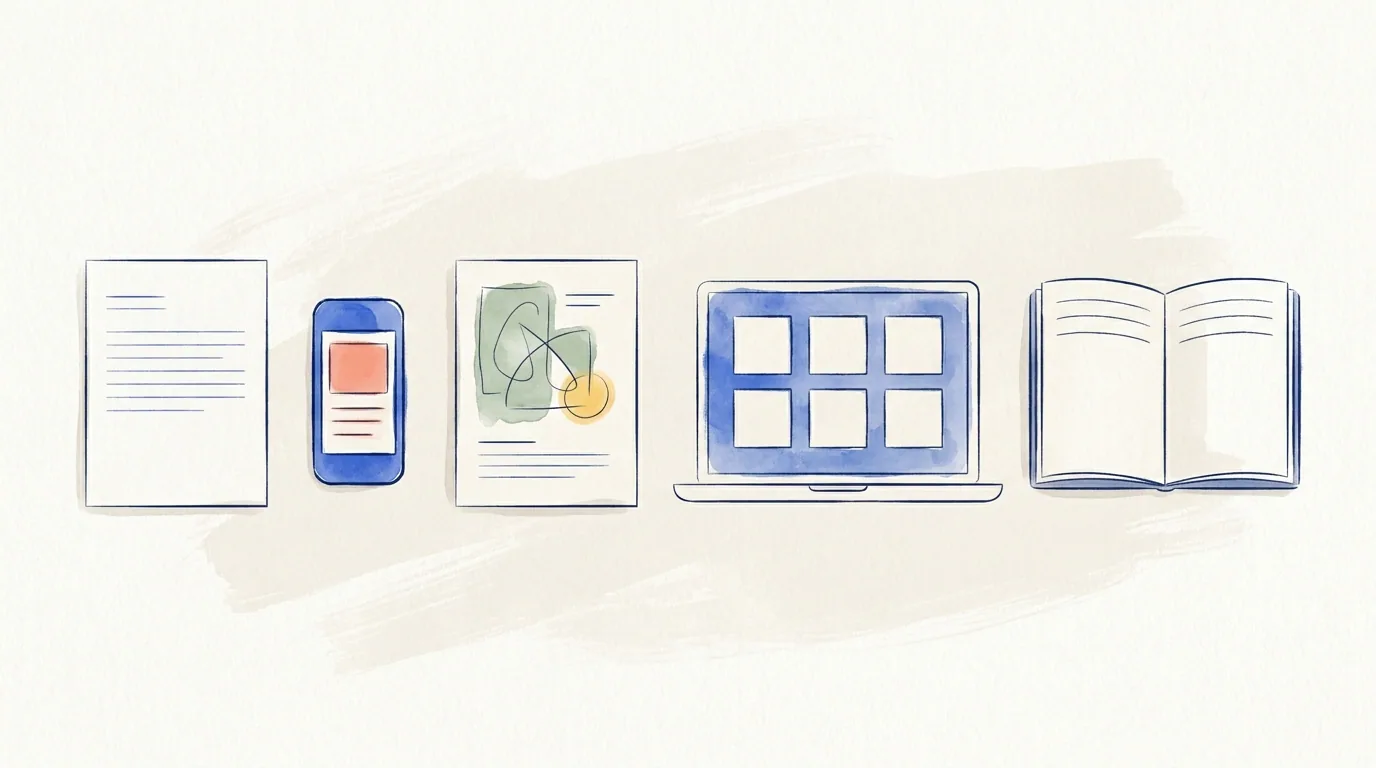
Applying for a design role means sending several things that get read together: a CV, a LinkedIn profile, one or two case studies, a portfolio link and later an interview where you talk through your work. Many designers prepare each of these on its own, at a different time, often the night before a deadline.
This post puts the five parts in order. For each step you get what to check and a link to a longer guide.
1. Check your CV
The CV is often the first file a reader opens. Read it for outcomes. For every role, can someone who does not know you tell what changed because of your work? Then check the basics: your role in each project, the scope and the dates.
The guide on how a design CV gets read walks through five dimensions on a fictional example CV.
2. Make LinkedIn tell the same story
The reader who opens your CV often opens your LinkedIn profile too. The headline should say what kind of designer you are, the About section should show evidence, and the experience entries should not be empty. The dates and titles have to match the CV.
The guide on getting your LinkedIn profile ready covers the four areas to check.
3. Prepare one case study for the roles you want
You do not need a new case study for every application. You need one that fits the roles you are applying to. Pick the project closest to them, open with the problem, show the decisions you made and make your own part clear.
The post on where a case study loses the reader lists five points to check before you send it.
4. Turn the portfolio into a link you can send
In an application the portfolio is a link. The reader decides on the first screen which case study to open, so put the most relevant one first. Check the link preview as well: the title and the image that appear when you paste the link into a message.
The guide on using your portfolio from application to interview covers each stage.
5. Practise presenting the case study
In the interview you will be asked about your role, your most important decision and a trade-off you made. Prepare a two-minute summary and say your answers out loud before the day.
The guide on preparing your case study for the interview has a structure for the conversation.
Where to start
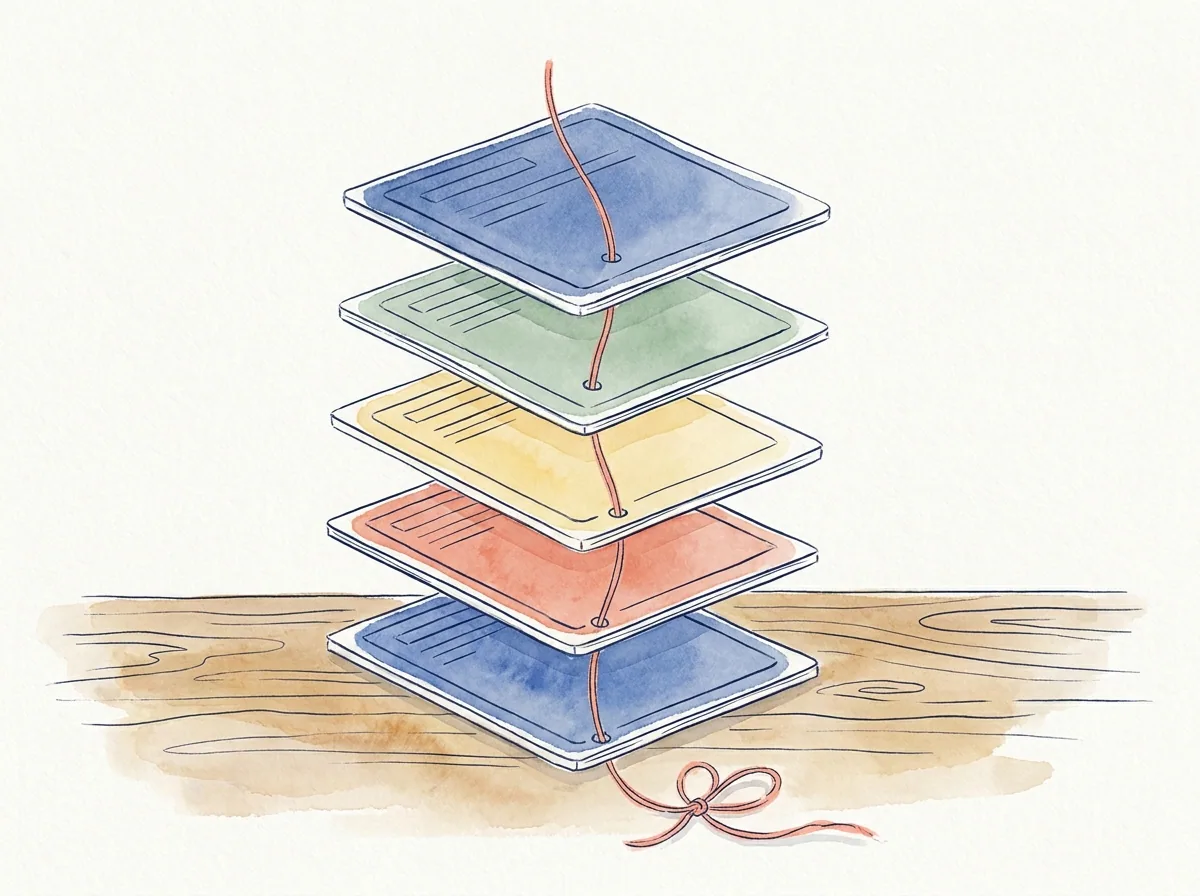
The order matters because each step reuses the one before it. Your CV bullets become your LinkedIn experience entries. Your case study becomes the first item in your portfolio and the story you tell in the interview.
If you have time for only one step this week, start with the CV. The Folioverse CV score is free and needs no signup: paste the text or upload the PDF, and it names the weakest area.
FAQ
Do I need all five steps before my first application?
No. A CV with clear outcomes and one case study that fits the role are enough to start. The other steps can follow while you apply.
Should I change these for every application?
The facts stay the same everywhere. What can change is which case study you show first and the focus line in your headline, if the roles you apply to are different.
Is this order the same for junior and senior designers?
The steps are the same. A senior designer usually has more to cut from each part, and a junior designer more to fill in.
This article was created in collaboration with AI · Editor: Ömer Arı
Related reading
Sep 1, 2026
9min read
Your portfolio gets read second
A designer's CV read in five dimensions, shown on a worked example: impact, role clarity, structure, craft, and positioning.
Oct 22, 2026
6min read
Get your LinkedIn profile ready before you apply
For designers who are applying: four areas of a LinkedIn profile to check before you send a CV, and how to make the profile and CV agree.
Mar 12, 2026
4min read
How to Prepare Your UX Case Study for a Design Interview
Turn your UX case study into an interview-ready narrative that helps you explain your role, decisions, process, and learnings.