Hiring
The job application in five steps
For designers who are applying: the CV, LinkedIn, case study, portfolio and interview in order, with what to check at each step.
Oct 22, 20264min read
Practical portfolio writing guidance for product designers who want clearer case studies and better interviews.
For designers who are applying: the CV, LinkedIn, case study, portfolio and interview in order, with what to check at each step.
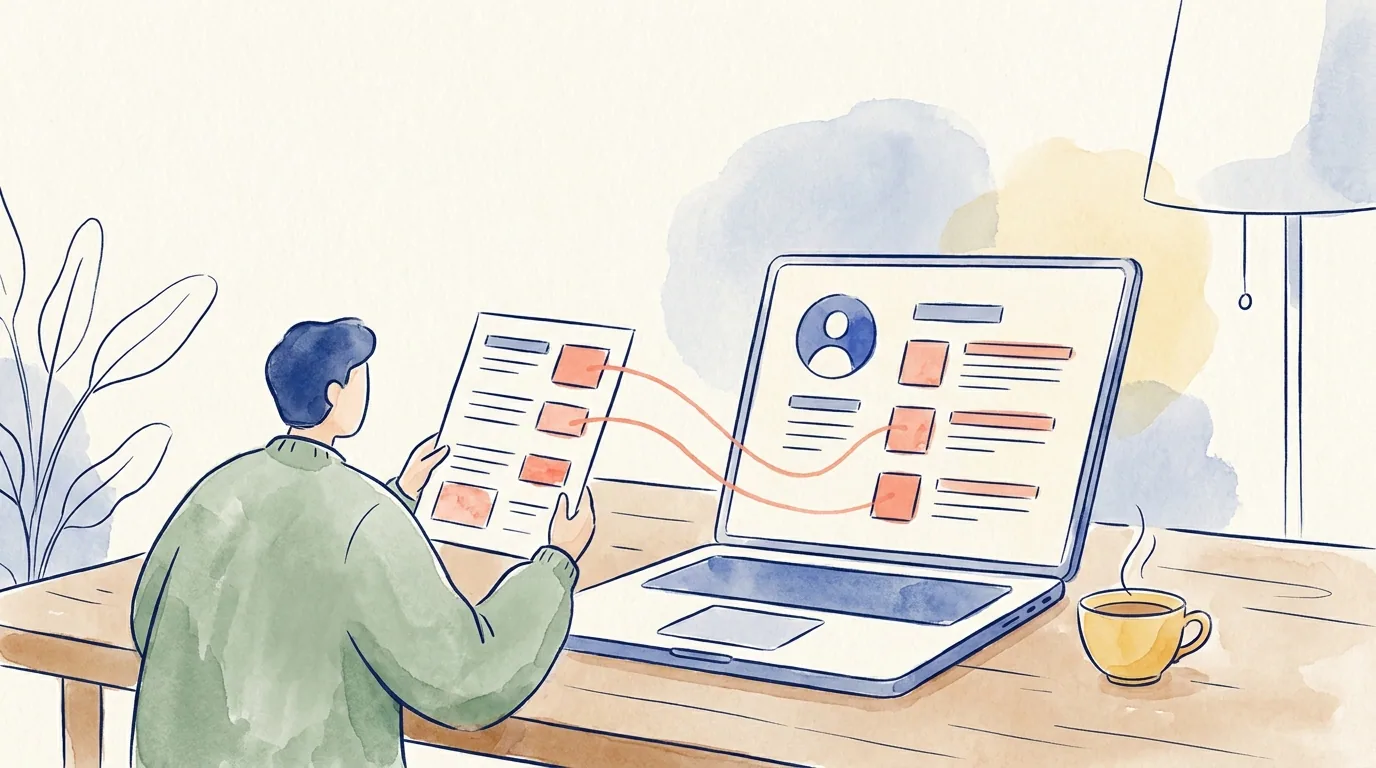
For designers who are applying: four areas of a LinkedIn profile to check before you send a CV, and how to make the profile and CV agree.

A designer's CV read in five dimensions, shown on a worked example: impact, role clarity, structure, craft, and positioning.
Practical notes on preparing your CV, case studies, portfolio and interviews, by email.
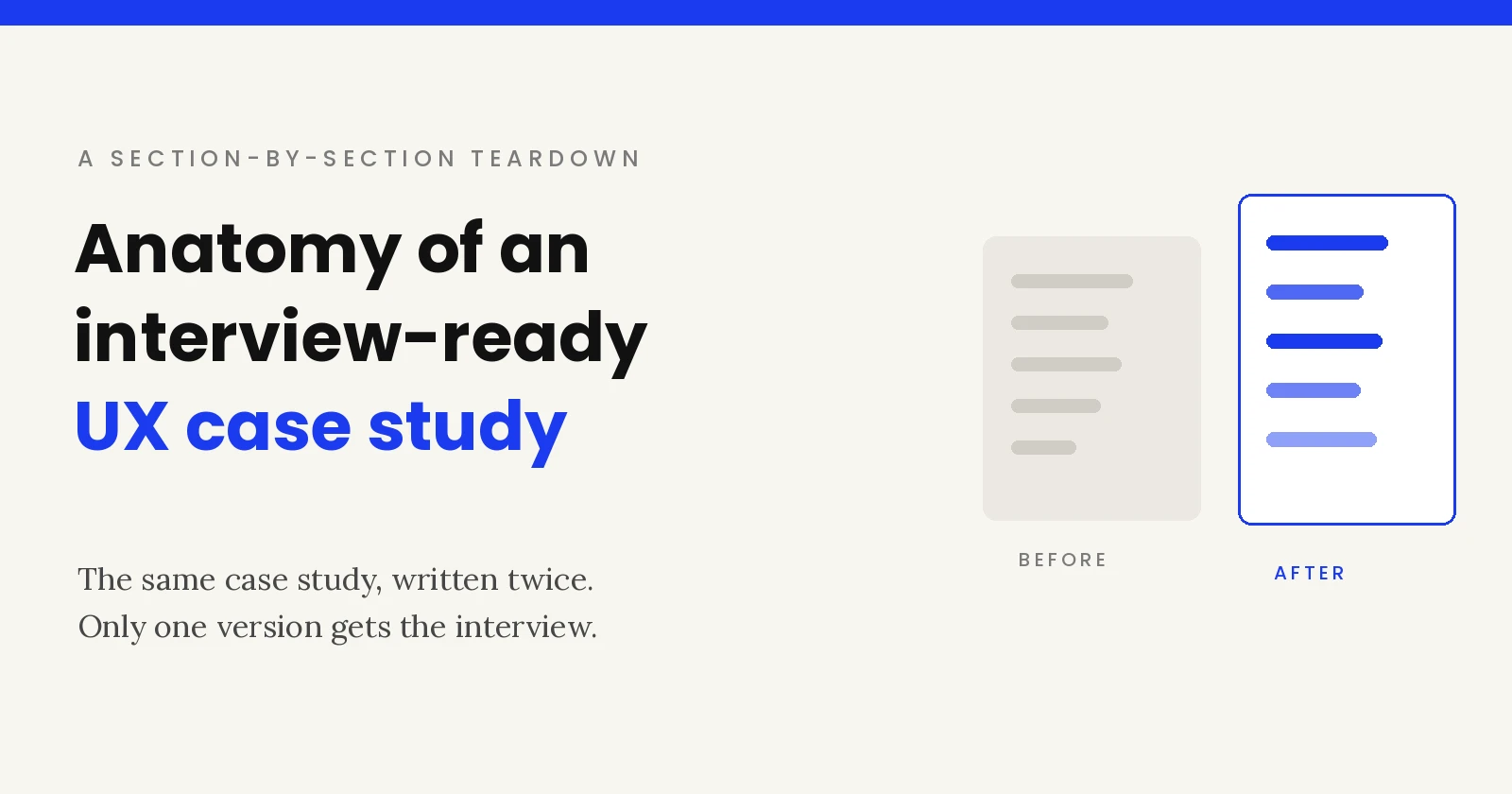
The same UX case study written twice, section by section. See why the weak version fails a hiring manager's scan and what makes the strong one work.

Learn where hiring managers lose interest in a UX case study, and how to fix each weak spot with clearer evidence and decisions.
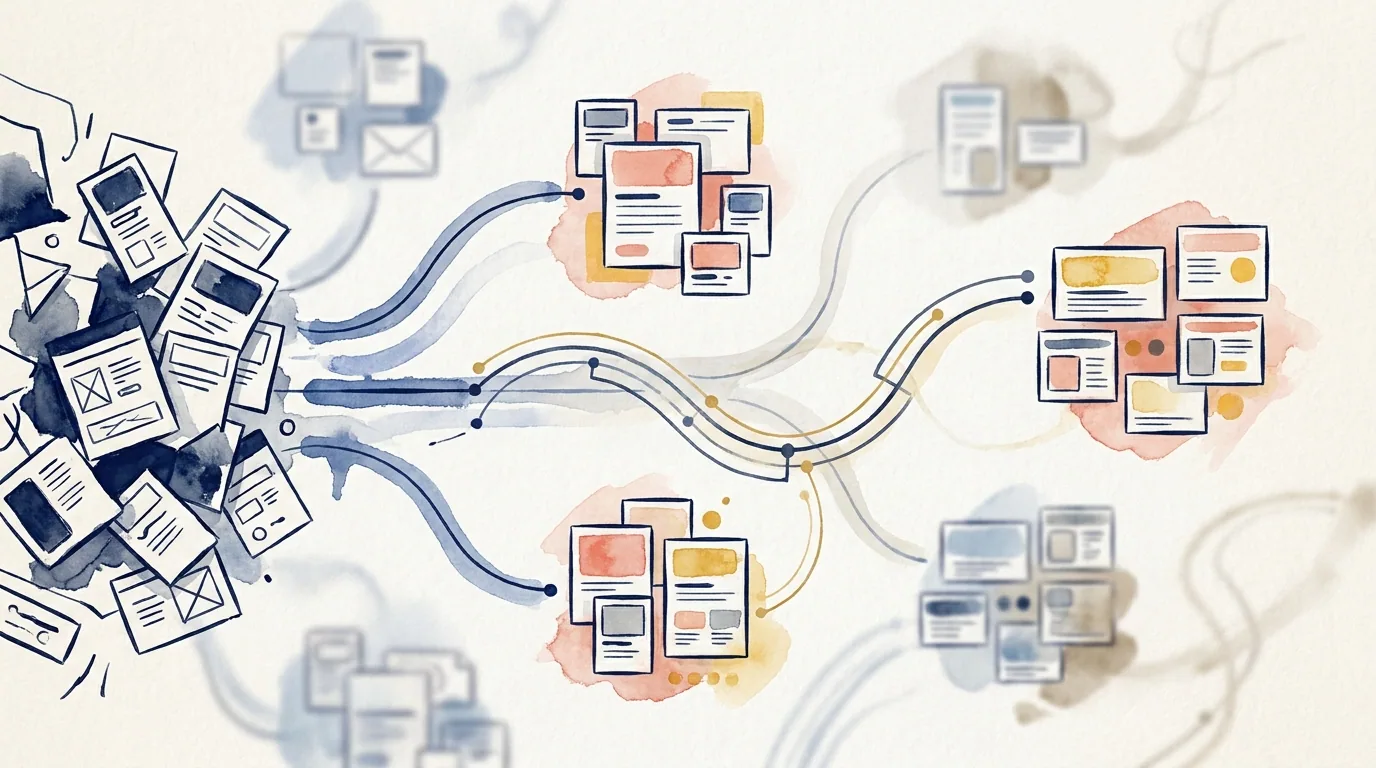
How to present information architecture decisions in a portfolio through user needs, content grouping, and navigation reasoning.
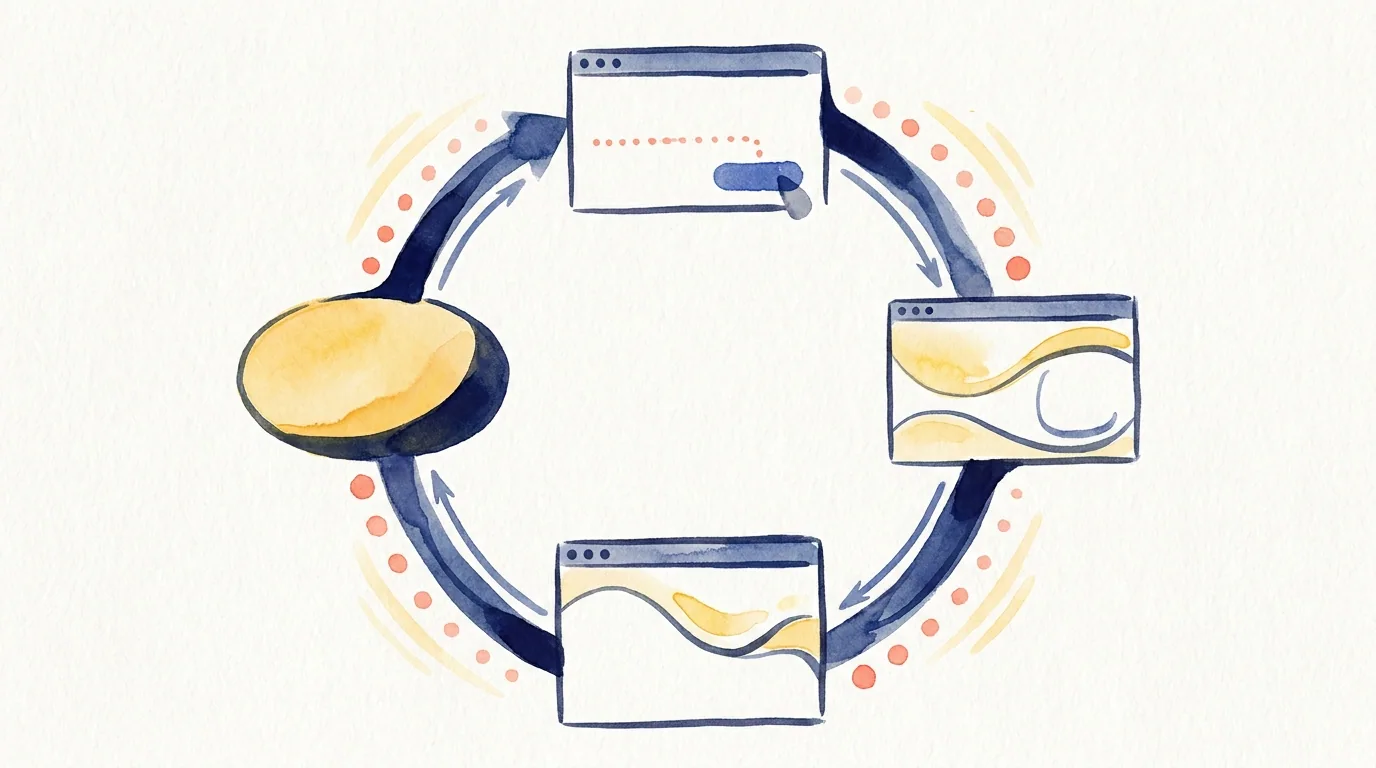
How to present prototypes in a UX case study through assumptions, interaction decisions, test scenarios, and learning.

How to connect a journey map to user problems, friction points, and design decisions in a UX case study.

How to present wireframes in a UX case study through structure, flow, hierarchy, and design reasoning.

Learn what to notice in strong UX case study examples so you can improve your own portfolio without imitating someone else's story.

If your project was strong but the case study feels weak, the problem may be missing narrative clarity rather than missing work.

Learn how to use portfolio rejection, recruiter silence, and interview feedback as signals to improve your UX case studies.

A focused checklist for the evidence, case studies, and narrative details that make product design portfolios stronger.

When personas help in a UX portfolio, when they weaken the story, and how to connect them to evidence and design decisions.

Simple UX projects can still reveal strong design thinking. Learn how to find the story inside a smaller project.

Learn the practical UX vs UI difference in portfolio writing, and how to make design reasoning visible beyond polished final screens.

Learn how to include confidential or NDA-protected UX projects in your portfolio by anonymizing details and focusing on process, role, and decisions.
Learn what UX means in practice and how junior designers can make UX thinking visible inside a portfolio case study.

Avoid common UX case study mistakes that hide strong design work, from unclear roles to overclaiming impact.

Use this outline to make your portfolio case study easier to scan without turning the project into a shallow template.

Learn how to write a clear English UX case study for international applications without sounding overly complex or generic.

Learn how to write clear and specific UX case study titles that communicate problem, context, and impact without sounding generic.

Learn how to turn your UX case study into a focused portfolio presentation for design interviews, with timing, structure, and storytelling tips.

A practical way to begin your UX case study when the blank page feels too big and you do not know what to write first.

Learn why a few strong UX case studies are usually more effective than a large collection of shallow projects.

Turn your UX case study into an interview-ready narrative that helps you explain your role, decisions, process, and learnings.

Understand how expectations change between junior, mid-level, and senior UX portfolios, from process explanation to business impact and leadership signals.

Learn how to make your individual role visible in a team UX project without pretending you did everything alone.

Learn how to choose and present research insights in a UX case study without overwhelming the reader with personas, surveys, and raw data.

No metrics does not mean no impact. Learn how to write an honest UX case study outcome section without inventing numbers.

Learn how to explain the reasoning behind your UX and UI decisions so your case study shows more than final screens.

Understand what design leads and hiring teams notice when reviewing UX case studies, from role clarity to trade-offs and outcomes.

Real design work is rarely linear. Learn how to turn a messy UX process into a clear, honest, and readable case study narrative.
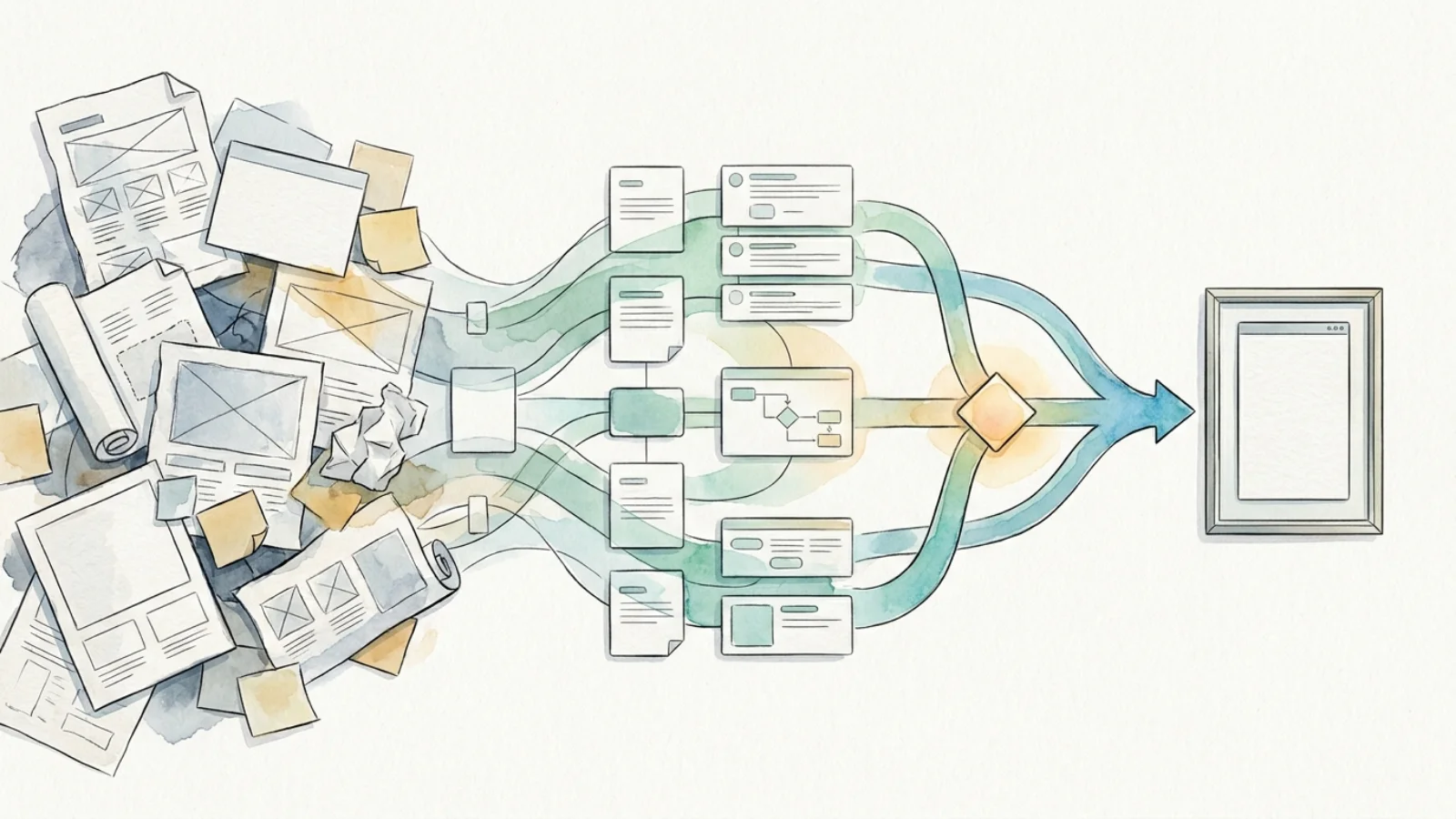
Learn how to turn design decisions into a clearer UX case study narrative that shows how you think, not just what you designed.

A practical guide for junior designers with no shipped projects who need to build a clear, honest UX portfolio.

Learn how to treat your UX portfolio like a product: define your audience, improve the user journey, and make your case studies easier to evaluate.

An anonymized analysis of strong UX portfolio patterns, from homepage hierarchy to role clarity and case study selection.

A practical checklist of seven common portfolio mistakes designers should fix before applying to product roles.

Learn how to use your design portfolio across applications, recruiter screens, and portfolio walkthrough interviews.

A clear guide to portfolio types for designers choosing what to emphasize when applying for different roles.

A beginner-friendly guide to what a design portfolio is, what it is not, and how it supports case studies.

What this blog is for, why Folioverse is publishing it, and what designers can expect from the first set of guides.

Learn what hiring panels look for in the first 60 seconds of a UX case study review and how to make your decisions easier to read.

Can AI write your UX case study? Learn where AI helps, where it weakens the work, and how to keep your own design reasoning visible.

Learn how to identify AI-sounding language in your UX portfolio and replace vague claims with clearer decisions, context, and evidence.
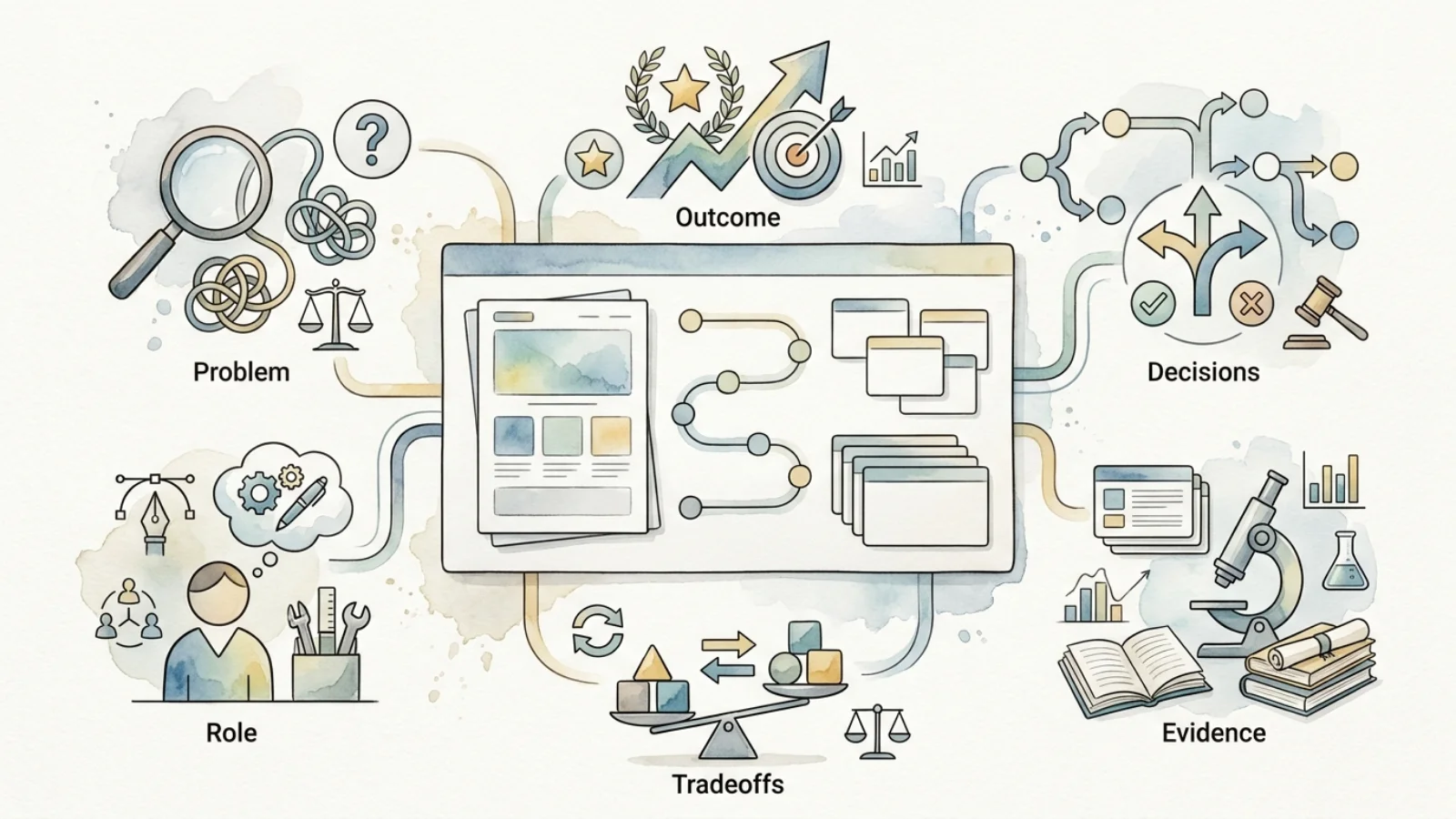
Use this UX case study readiness scorecard to review problem clarity, role clarity, decisions, trade-offs, evidence, and impact.

Learn how to explain trade-offs in a UX case study so hiring managers can see your judgment, constraints, and product thinking.

Learn how to turn a bootcamp UX project into a stronger case study by adding context, constraints, decisions, and realistic trade-offs.

Learn how to write a UX case study problem statement that gives hiring managers clear context, scope, and decision criteria.